

Pv solar
Jan. 29, 2026
Storage: unlocking flexibility
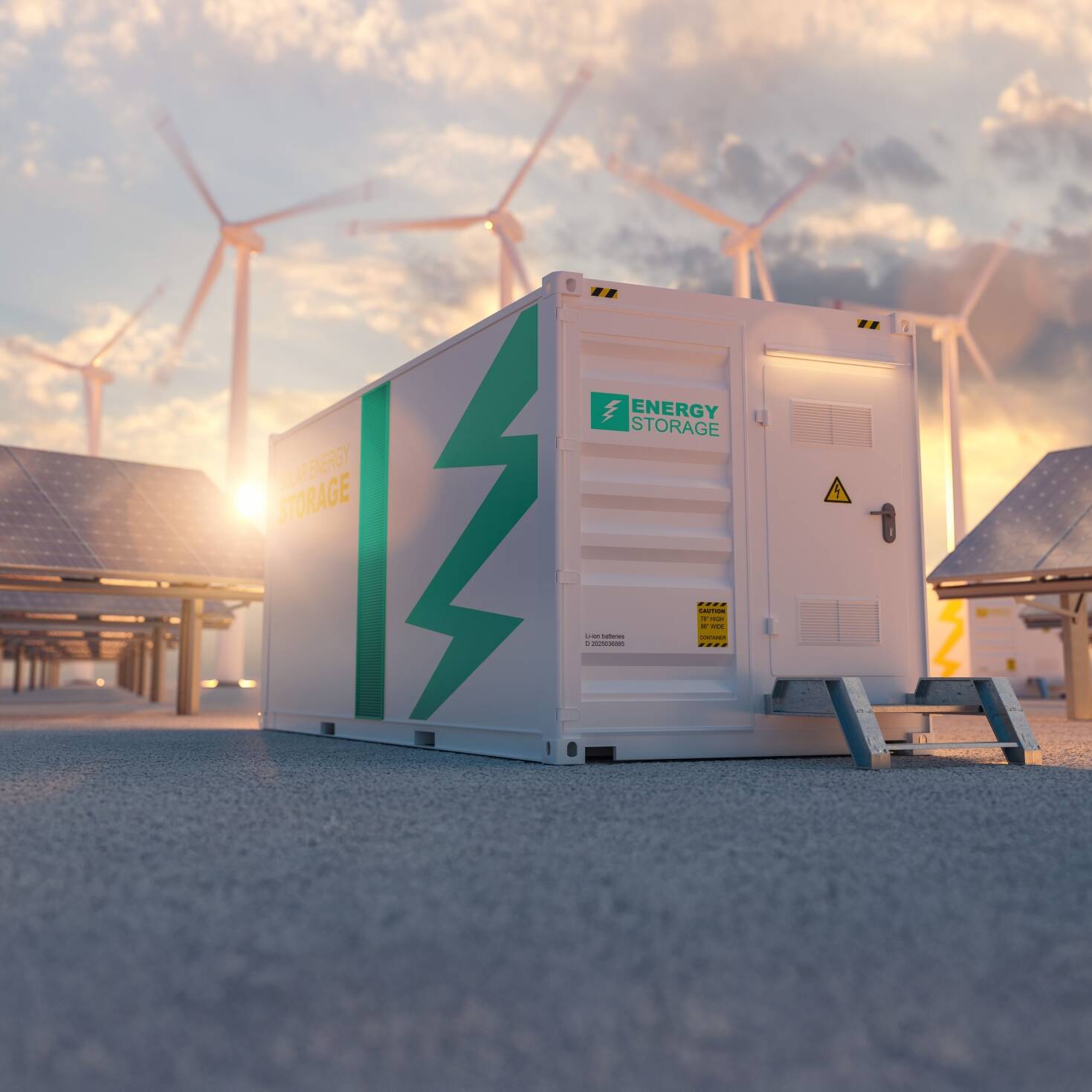
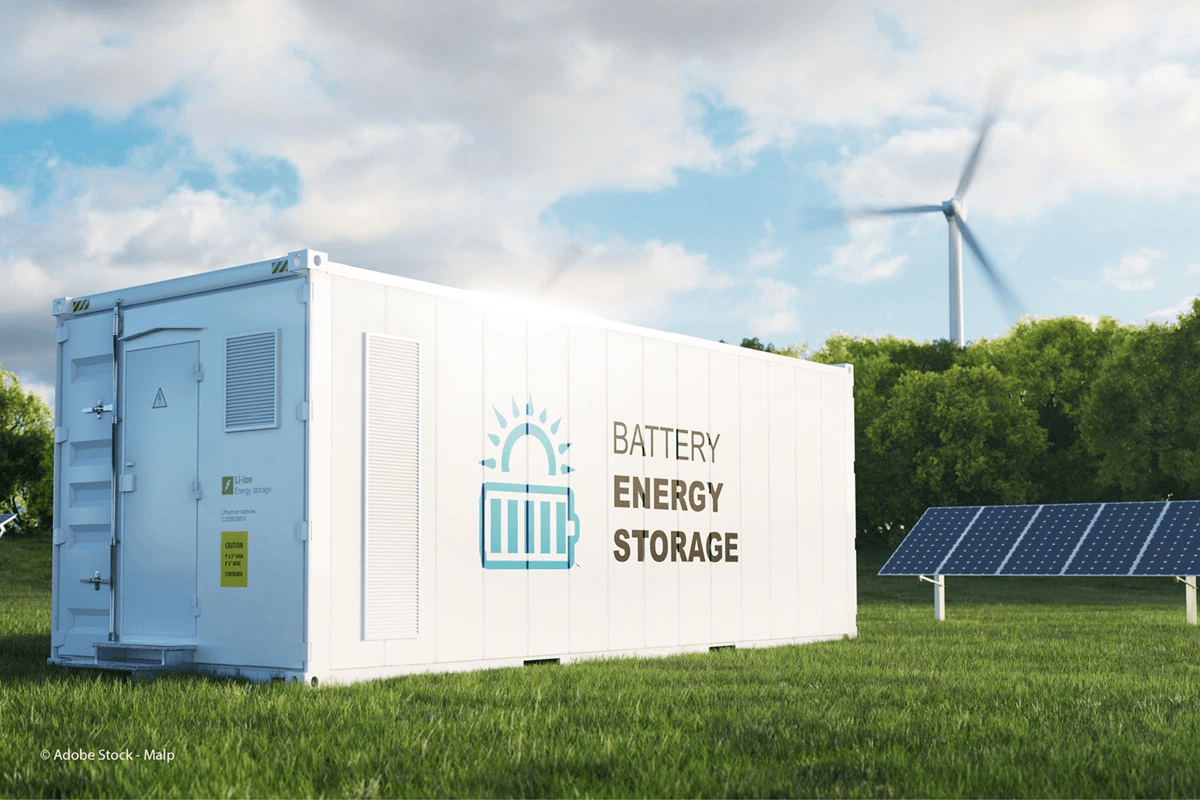
Battery Energy Storage Systems (BESS) store excess renewable electricity and release it when needed, stabilising the grid and balancing the intermittency of wind and solar. Their performance depends on key indicators such as State of Charge (SoC), State of Health (SoH) and degradation rates. Unlike wind and solar, BESS assets enable multiple revenue streams such as arbitrage, frequency response, peak shaving and energy trading. These require careful management however, including of cycling, safety and temperature. As they sit at the intersection of engineering and market optimisation, BESS projects involve complex technical, financial and regulatory challenges. When properly designed and operated, they unlock exceptional flexibility, reliability and value.

One Technology — Three Configurations

Stand-alone grid-scale BESS operate independently from generation assets to provide flexibility services such as frequency response, reserve capacity and arbitrage. They face challenges around degradation modelling, thermal management, complex trading strategies and grid-code compliance.

Collocated BESS are installed next to a solar or wind farm while operating as separate assets, often sharing land, infrastructure or grid capacity. Their main challenges involve interoperability with the neighbouring plant, land and permitting constraints, transformer loading, and grid-capacity optimisation.

Hybrid systems integrate BESS directly with renewable generation, often sharing inverters, transformers or control systems. They require optimised power-flow strategies, robust EMS configurations, grid-compliant control, and precise modelling of combined energy and degradation behaviour.











Field-Proven
Storage Experience
The Latest Renewable Energy News



Stay up-to-date with the latest news
Contact us