Nov. 13, 2025
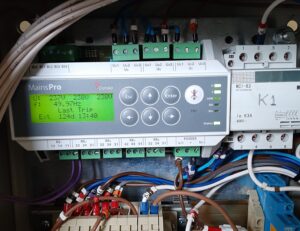
Accelerated Loss of Mains Change Programme: What is it and who does it affect?
Do you own or operate a generator connected to the distribution network? If yes, you are urged to apply to the Accelerated Loss of Mains Change Programme (ALoMCP) before the final funding submission deadline, 10 May 2022. This may seem like a while away, but by applying, you could be financially supported in order to complete the mandatory Loss of Mains protection changes.
The programme allows generator owners to apply for funding to make the necessary changes to their protection devices, to ensure compliance against the recent Distribution Code update.
Changing loss of mains protection will help to avoid unnecessary disruption and will ultimately deliver a step-change in how the electricity system can be operated. This will allow for more low carbon power to flow at a lower cost.
EREC G59 have stated that all generation site owners must make these Loss of Mains changes by 1 September 2022. By implementing these changes with the ALoMCP, owners will be supported financially to carry out the work.
Since the ALoMCP launched in September 2019, many sites have been updated to meet the new code requirements. Whilst these sites are compliant, there are still many that aren’t. Therefore, it’s vital that more is done to reduce increased Loss of Mains costs for such sites.
Making these changes through the programme will help National Grid ESO run the grid more efficiently and reduce balancing costs. Generators are encouraged to apply as soon as they can, in order to meet the final deadline on 10 May 2022. For each site application that is completed after this date, the amount of funding offered will decrease.
First, you will need to check the LoM protection settings installed on your protection device and check if you qualify to make the necessary changes. You then need to apply through the ENA portal and once you’ve received acceptance you will need to decide your implementation date for such changes. Once you have liaised with the local DNO/IDNO and put in place a suitable contractor, you can make the changes required. There is a specific proforma and evidence that has to be submitted to prove the changes. Once all these steps have been complete and the confirmed, you will get paid.
A more detailed explanation of the entire process can be found here.
There really is no time like the present, so if you haven’t done so already, get in touch with Greensolver to assist with your application submission to make your site fully compliant under the latest Power Distribution Code.
Written by Gareth Wilson, Senior Asset Manager
Stay up-to-date with the latest news
Contact us